
Tripling Email Sales for a Million-Copy Author | Michael Bungay Stanier Case Study
Tripling Email Sales for a Million-Copy Author | Michael Bungay Stanier Case Study
I had the opportunity to work with Michael Bungay Stanier (MBS), author of The Coaching Habit, a million-copy bestseller. I worked with MBS to renew his lifecycle marketing system, using a more powerful platform (ActiveCampaign), with a completely redesigned subscriber journey.
Strong Subscribers, Weak Engagement
For most authors I work with, getting more subscribers is their biggest problem. But MBS already had a large subscriber list, and his site-wide traffic to subscriber conversion (TSC) was a massive 37% (this was among the highest I’ve ever seen, roughly 19x the 1.95% all-industry average). This was because most of his traffic was very high intent: book readers who went directly to his site to claim a bonus mentioned in one of his books.
So list growth was good, but there were two problems holding MBS back:
- Engagement was poor. Campaign clickthrough rates had fallen toward 1%, and opens were drifting into the low-20% range. As I wrote in Natural Orders, this isn’t just poor optimization, it can mean the beginning of a top-down cascade that can destroy the health of your list.
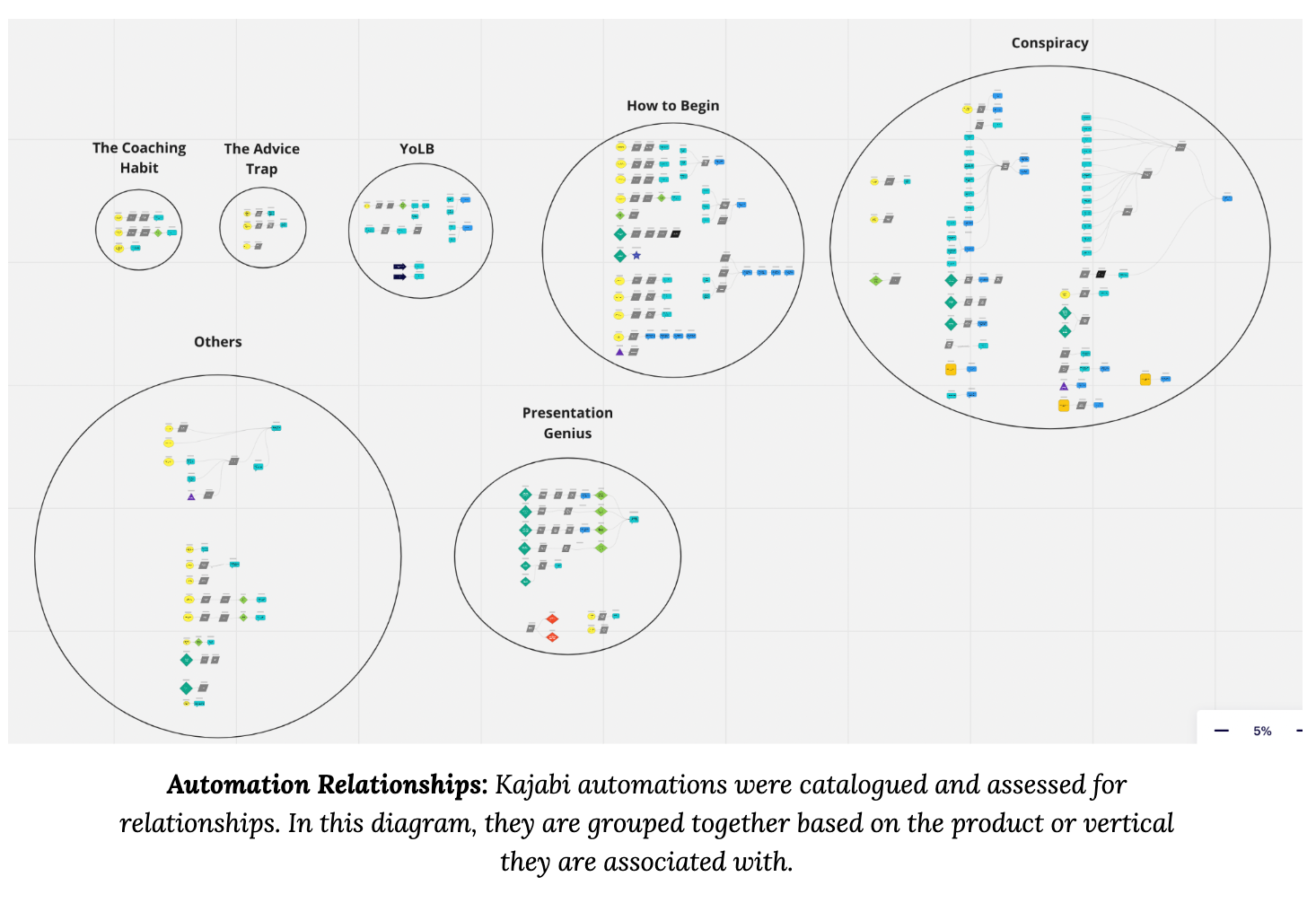
- The subscriber journey was undeveloped. Each different book, The Coaching Habit, How to Begin, and others, had a different entry point, with a scattering of limited, siloed followup messages. There was no single narrative, no unified first experience, and no clear value paths to other books, products, or the community.
Results
"Implementing Matt's advice and the strategies from his book tripled our sales and more than 10x'd our engagement within the first two months of the system being activated. I strongly recommend Matt's work for those looking to take their email marketing strategy to the next level" — Michael Bungay Stanier, author of The Coaching Habit
Within two months of the new system going live:
- Sales: tripled (3x).
- Engagement: more than 10x. The clickthrough rate that had been sliding toward 1% more than 10x'd.
Rebuilding What Happens After the Optin
1. Platform Migration. The existing platform was great for unified management of MBS’ community, landing pages, and campaign sending, but it wasn’t a robust tool for creating and deploying a full lifecycle marketing system. As part of the roadmap, I ran a scored comparison of email platforms across automation depth, deliverability, integration, and cost, and we decided to migrate to ActiveCampaign.
2. List Resurrection. A large list with poor engagement can be a liability. If you move it across to a new platform all at once, the dormant subscribers can negatively impact deliverability and the sender score on the new platform. The way you handle this is by rebuilding the sending reputation from an engaged core outward. First only to subscribers who had recently opened or clicked, then gradually widening out to increasingly large sending segments.
3. New Subscriber Journey. Originally there were dozens of discrete and disconnected automations based on whichever book brought a subscriber in. I first had to disentangle each of these, and come up with a new central sequence that we could send that would create a unifying narrative for MBS’ work.
Based on the concept of an awareness sequence, I kept this engagement-gated, meaning only subscribers who clicked emails advanced to the next stage, with the rest falling back to just receiving the weekly newsletter (with a standing invitation to opt back in). Sending frequency rises only for people actively engaging, further improving our sender score and deliverability on the new platform.
Takeaways for Content Sites:
- Diagnose composition, not just rates. As always, list composition is downstream of traffic composition. A high conversion rate can still hide a fragile list. High intent direct traffic is a blessing, but if it isn’t nurtured properly it can still churn out quickly.
- Narrative is King. Collapse siloed per-book sequences into a single problem→solution arc common to every subscriber. This means unifying your brand story to find a common pain point, from which you can later branch out with segmented offers.
- Gate frequency on engagement. The best way to solve engagement and churn problems is to be more timely and relevant in what you send. One way to solve this is to only send to readers who show interest: those who keep clicking advance; the rest fall back to a lighter cadence with a way back in. The same goes for selling - especially for selling - as those emails are especially annoying for those who don’t want them.
Lifecycle system design like this presents a number of interesting challenges: unifying a narrative, finding branching-off points, protecting the integrity of the list, and project managing the whole thing.
Most of marketing is finding where small inputs produce large outputs. For a site with a conversion problem, that point is the optin. For a large list of high-intent subscribers, it's always the first impression that comes right after signup.
----
Natural Orders is an email and lifecycle marketing consultancy working with authors, thought leaders, and software companies. naturalorders.com
buy Natural Orders
buy on amazonbuy PDF version